


Prepare the information needed for an assessment by comparing recipe targets, weighing indicators and production records for the same operation.
When the quantity specified in a concrete plant recipe differs from the production record, first establish where and at what stage each value was obtained. Weighing measurements, physical material flow and the PLC batching sequence are assessed together. A difference on screen alone is insufficient to attribute the problem to software.
Distinguish weighing differences from batching differences
A weighing system provides load information at a particular moment. Batching covers steps such as starting, maintaining and stopping material feed. Material may still reach the weighing section after the feed command ends. The timing of the command and final measurement therefore matters when assessing the result.
An indicator changing while the physical load stays constant requires a different investigation. Load cells, mechanical connections, electrical measurement and environmental effects are assessed. Explaining a measurement problem solely through batching parameters may obscure the actual cause.
Gather records from the same production batch
For comparison, link the recipe name, production time, material and target quantity to the same record. Placing screenshots from different production batches side by side may mislead, particularly if recipes or operator settings changed. A structured record of a few events is more useful initially than a general fault description.
| Information | Question it answers in the review |
|---|---|
| Recipe and target quantity | What quantity was requested for this production batch? |
| Indicator and HMI values | Does the displayed information match the measurement? |
| Command and production timing | At which process stage did the difference occur? |
| Actual quantity record and alarm | Which value and event were recorded for the result? |
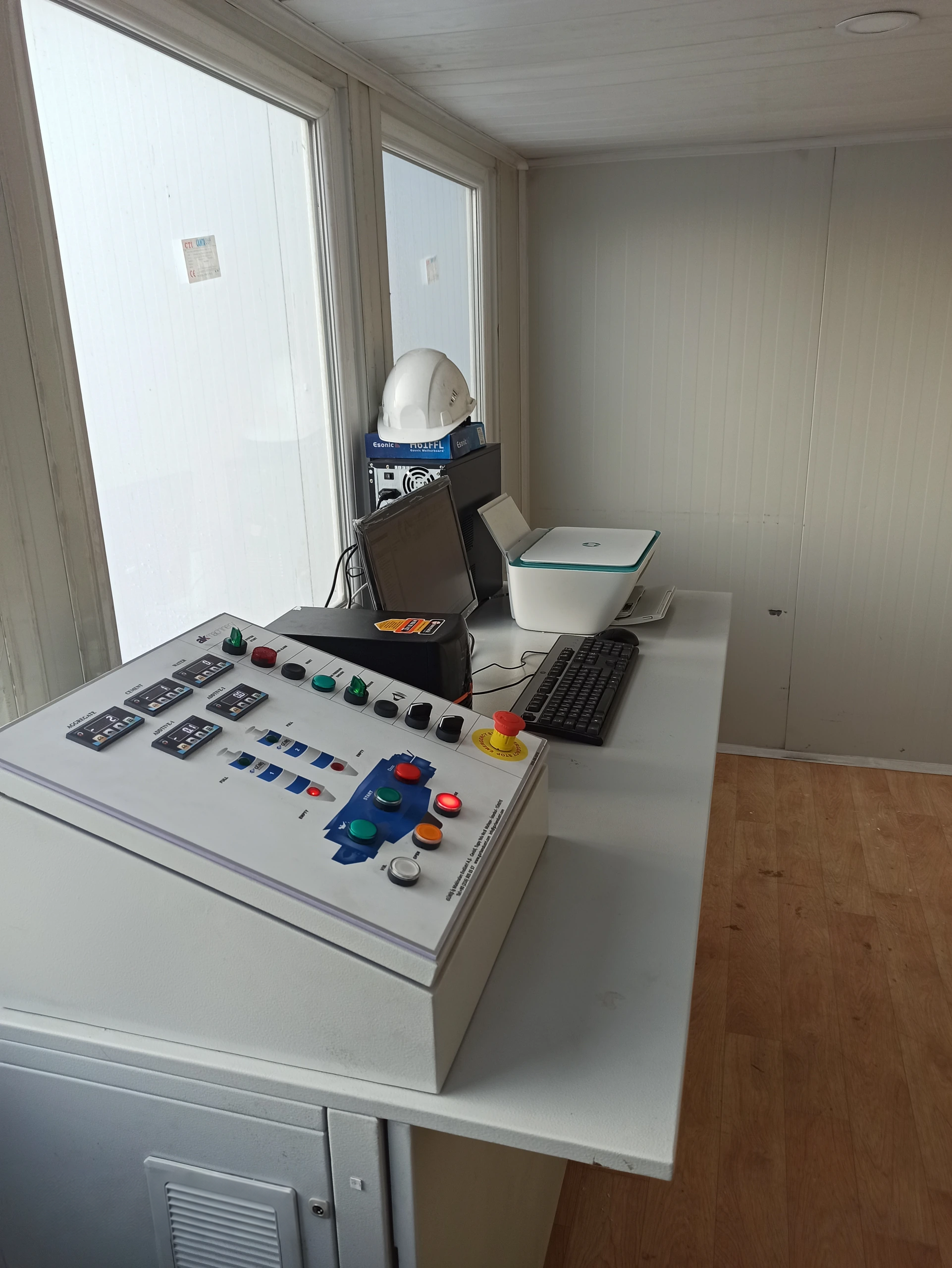
Mechanical and electrical aspects of measurement are assessed
Contact between the weighing section and another part, or connections transmitting additional force to load cells, may affect measurement. Material buildup, vibration and cable connection condition are also reviewed. Checks are selected according to the weighing arrangement and observed symptoms.
The unit and scaling of the value transferred between the indicator and PLC are also checked. Different values on the weighing indicator and operator screen should be considered separately from a physical feeding error. Measurement verification and on-site checks are planned by the authorised technical team according to device documentation.
The batching sequence is compared with existing equipment
When a command to a gate, screw conveyor, pump or valve takes effect in the field matters. The end of a command and the end of material flow are not simultaneous in every system. Feedback expected by the software and production steps are compared against actual equipment movements.
A deviation consistently in the same direction and one seen only under certain conditions provide different clues. Note whether it began after a material change, at a particular hopper level or after maintenance. Recording the previous value and change time when adjusting a parameter makes later comparisons meaningful.
Clarify what the production record value means
Establish at which stage the quantity in the report was recorded. Target quantity, final measured quantity and an operator correction are different data. Clearly defined report fields help the business understand why the same production batch may appear differently on different screens.
In a system without historical records, adding recording for the data needed to investigate may be a separate software task. However, do not assume every measurement or command was already stored. The initial review establishes the existing recording scope.
What information can you start a technical assessment with?
Prepare the plant’s PLC/HMI models, weighing indicator labels and relevant panel and equipment photographs. State whether aggregate, cement, water or admixture is affected, and whether the deviation is continuous or intermittent. Share target, indicator, actual quantity and alarm data from the same production batch where available.
At Enopan, we address weighing and batching control in concrete plants alongside recipes, operating sequences and production records. The initial assessment distinguishes software behaviour, data transfer and points requiring on-site review; the upgrade is defined from this information.
Share the deviation with the relevant production record
State which material, stage and values show a difference. We can define the investigation scope using the existing weighing and control system.